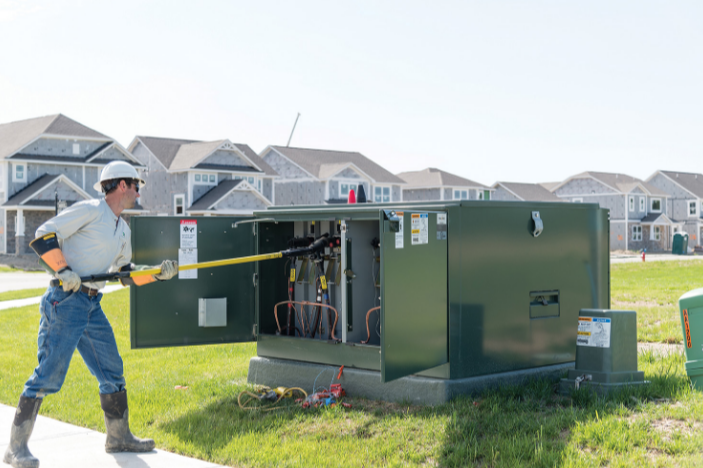
Three phase pad mounted transformers are essential components of modern electrical distribution systems, providing reliable voltage transformation for commercial, industrial, utility, and residential applications. Designed for ground-level installation, these transformers are housed in secure, weather-resistant enclosures and are commonly used in underground power distribution networks where safety, aesthetics, and operational efficiency are priorities.
As urban development, industrial expansion, and infrastructure projects continue to grow, the demand for dependable electrical equipment has increased significantly. Three phase pad mounted transformers offer a practical and efficient solution for distributing electrical power while minimizing visual impact and enhancing system safety. Their compact design and robust construction make them ideal for applications ranging from shopping centers and manufacturing plants to residential communities and renewable energy facilities.
This comprehensive guide explores everything you need to know about three phase pad mounted transformers, including their working principles, construction, applications, advantages, installation requirements, maintenance practices, and future industry trends.
What Are Three Phase Pad Mounted Transformers?
Three phase pad mounted transformers are outdoor electrical transformers designed to operate in three-phase power systems and installed on a concrete pad at ground level. Unlike pole-mounted transformers, these units are enclosed in tamper-resistant cabinets and connected to underground electrical distribution systems.
Their primary function is to step down medium-voltage electricity from utility distribution lines to lower voltages suitable for commercial, industrial, and residential use.
Key characteristics of three phase pad mounted transformers include:
- Ground-level installation
- Three-phase power operation
- Secure steel enclosure
- Underground cable connections
- Weather-resistant construction
- High operational reliability
These features make them a preferred choice in modern electrical infrastructure projects.
How Three Phase Pad Mounted Transformers Work
Understanding how three phase pad mounted transformers operate helps explain their importance in power distribution systems.
The transformer receives electrical energy at a higher voltage through the primary winding. This energy creates a magnetic field within the transformer core, which induces voltage in the secondary winding. The transformed voltage is then delivered to connected loads.
The basic operating process includes:
- Receiving incoming medium-voltage power
- Creating magnetic flux within the core
- Transferring energy through electromagnetic induction
- Converting voltage to the required level
- Delivering power to end users
This process occurs continuously with high efficiency and minimal energy loss.
Main Components of Three Phase Pad Mounted Transformers
Three phase pad mounted transformers consist of several critical components that ensure safe and efficient operation.
Each component contributes to voltage transformation, insulation, cooling, or protection.
The primary components include:
Transformer Core
The magnetic core provides a low-reluctance path for magnetic flux and enables efficient energy transfer.
Primary Windings
Primary windings receive electrical power from the incoming distribution network.
Secondary Windings
Secondary windings supply transformed voltage to connected facilities and equipment.
Insulating Fluid
Most pad mounted transformers use mineral oil or environmentally friendly dielectric fluids for insulation and cooling.
Cooling System
The cooling system dissipates heat generated during operation and maintains safe temperatures.
Protective Enclosure
The enclosure protects internal components from environmental conditions, vandalism, and unauthorized access.
Why Three-Phase Power Is Important
Three-phase electrical systems are widely used because they provide more efficient and balanced power distribution compared to single-phase systems.
Three phase pad mounted transformers are specifically designed to support these high-capacity systems.
Benefits of three-phase power include:
- Greater power delivery capability
- Improved efficiency
- Consistent voltage levels
- Better motor performance
- Reduced conductor requirements
- Lower operational costs
These advantages make three-phase systems ideal for commercial and industrial applications.
Types of Three Phase Pad Mounted Transformers
Manufacturers offer various types of pad mounted transformers to accommodate different applications and operating requirements.
Understanding these options helps users select the most suitable transformer.
Common types include:
Step-Down Transformers
Step-down transformers reduce medium-voltage electricity to utilization voltages suitable for buildings and equipment.
Applications include:
- Commercial facilities
- Industrial plants
- Residential developments
- Educational institutions
Step-Up Transformers
Step-up transformers increase voltage levels for specialized industrial and power generation applications.
Oil-Filled Transformers
These transformers use insulating oil to provide both cooling and dielectric protection.
Advantages include:
- Excellent heat dissipation
- Long service life
- High reliability
- Strong overload capability
Environmentally Friendly Fluid Transformers
Modern transformers may use biodegradable fluids designed to reduce environmental impact while maintaining performance.
Applications of Three Phase Pad Mounted Transformers
The versatility of three phase pad mounted transformers makes them suitable for a wide range of industries and facilities.
Their ability to support underground distribution systems makes them especially valuable in modern developments.
Common applications include:
- Commercial buildings
- Manufacturing facilities
- Shopping centers
- Hospitals
- Universities
- Data centers
- Residential communities
- Utility distribution systems
- Renewable energy projects
- Municipal infrastructure
These applications depend on reliable power delivery for daily operations.
Advantages of Three Phase Pad Mounted Transformers
Organizations choose pad mounted transformers because they provide numerous operational and safety benefits.
These advantages contribute to improved system performance and reduced maintenance requirements.
Major benefits include:
Enhanced Safety
The enclosed design prevents accidental contact with energized components and restricts unauthorized access.
Improved Appearance
Ground-level installation eliminates the visual impact of overhead transformer structures.
Weather Resistance
Transformers are designed to withstand harsh environmental conditions.
Space Efficiency
Compact designs help maximize available property space.
Reliable Performance
Pad mounted transformers provide dependable voltage transformation and power distribution.
Reduced Maintenance
Modern designs require relatively little maintenance compared to other power distribution equipment.
Electrical Ratings and Specifications
Understanding transformer ratings is essential when selecting equipment for a specific application.
Properly matching ratings to system requirements helps ensure reliable and efficient operation.
Important specifications include:
- kVA rating
- Primary voltage
- Secondary voltage
- Frequency
- Impedance rating
- Insulation class
- Cooling class
- Temperature rise rating
These parameters should be evaluated carefully during the selection process.
How to Select the Right Three Phase Pad Mounted Transformer
Choosing the correct transformer requires a detailed assessment of electrical requirements and operating conditions.
A thorough evaluation helps maximize performance and return on investment.
Important considerations include:
Load Requirements
Accurate load calculations help determine the appropriate transformer capacity.
Voltage Requirements
Primary and secondary voltage ratings must match system specifications.
Environmental Conditions
Temperature, humidity, and contamination levels can affect transformer performance.
Future Expansion Plans
Allowing for future growth can prevent costly equipment upgrades later.
Utility Standards
Many utility companies have specific transformer requirements that must be followed.
Installation Requirements
Proper installation is critical for ensuring safe operation and long service life.
Following recommended installation practices helps maximize reliability and compliance.
Key installation considerations include:
- Proper concrete pad construction
- Adequate clearances
- Effective grounding systems
- Safe cable routing
- Drainage management
- Equipment accessibility
- Compliance with local electrical codes
Professional installation is recommended for all transformer projects.
Safety Features of Three Phase Pad Mounted Transformers
Safety is a major advantage of pad mounted transformer technology.
Modern units incorporate multiple protective features designed to safeguard personnel and equipment.
Common safety features include:
Tamper-Resistant Compartments
Locked compartments prevent unauthorized access.
Dead-Front Construction
Dead-front designs eliminate exposure to energized components.
Pressure Relief Devices
Pressure relief systems protect against excessive internal pressure.
Thermal Protection
Temperature monitoring helps prevent overheating.
Grounding Provisions
Proper grounding enhances operational safety and fault protection.
These features contribute to safer power distribution systems.
Maintenance of Three Phase Pad Mounted Transformers
Routine maintenance helps maximize transformer lifespan and reduce the risk of unexpected failures.
A preventive maintenance program supports reliable long-term operation.
Typical maintenance activities include:
Visual Inspections
Regular inspections help identify leaks, corrosion, or physical damage.
Fluid Testing
Testing insulating fluid provides valuable information about transformer condition.
Electrical Testing
Electrical tests verify insulation integrity and overall performance.
Temperature Monitoring
Monitoring temperatures helps identify developing issues before failures occur.
Cleaning and Housekeeping
Maintaining a clean installation area supports cooling and accessibility.
Consistent maintenance helps ensure dependable operation.
Common Problems and Troubleshooting
Although highly reliable, transformers may occasionally experience operational issues.
Recognizing common problems early helps minimize downtime and repair costs.
Typical issues include:
Overheating
Often caused by excessive loading or inadequate cooling.
Fluid Leaks
Leaks can compromise insulation and cooling performance.
Voltage Imbalances
Uneven loading may affect transformer efficiency and reliability.
Corrosion
Environmental exposure can damage external surfaces and hardware.
Insulation Deterioration
Aging insulation materials may eventually affect transformer performance.
Regular inspections help identify these problems before they become serious.
Energy Efficiency and Cost Savings
Energy efficiency is an important consideration for modern electrical infrastructure.
High-efficiency transformers reduce energy losses and improve overall system performance.
Efficiency benefits include:
- Lower operating costs
- Reduced heat generation
- Improved system reliability
- Reduced environmental impact
- Enhanced equipment lifespan
Over time, efficiency improvements can generate substantial financial savings.
Environmental Considerations
Environmental responsibility has become increasingly important in transformer design and operation.
Manufacturers are adopting technologies that reduce environmental impact while maintaining high performance.
Key environmental considerations include:
- Biodegradable insulating fluids
- Energy-efficient core materials
- Reduced emissions
- Lower noise levels
- Recyclable components
These innovations support sustainability initiatives across multiple industries.
Industry Standards and Compliance
Three phase pad mounted transformers must comply with industry standards to ensure safety, reliability, and performance.
Compliance helps simplify project approvals and supports long-term operation.
Common standards include:
- IEEE standards
- IEC standards
- ANSI standards
- Utility specifications
- Local electrical regulations
Following these standards helps ensure safe and effective transformer operation.
Future Trends in Three Phase Pad Mounted Transformers
Advancements in power distribution technology continue to improve transformer performance and functionality.
Future developments are focused on increasing efficiency, reliability, and digital connectivity.
Emerging trends include:
- Smart transformer monitoring
- IoT-enabled diagnostics
- Predictive maintenance systems
- Advanced insulation materials
- Enhanced energy efficiency
- Renewable energy integration
- Improved cybersecurity features
These innovations are helping utilities and businesses modernize their electrical infrastructure.
Why Utilities and Businesses Choose Three Phase Pad Mounted Transformers
Organizations across various industries rely on three phase pad mounted transformers because they offer a balance of safety, efficiency, durability, and operational flexibility.
Their ability to support underground power distribution while maintaining dependable performance makes them a valuable investment.
Businesses and utilities choose these transformers because they provide:
- Reliable operation
- Long service life
- Excellent safety performance
- High efficiency
- Low maintenance requirements
- Flexible installation options
- Attractive appearance
These benefits continue to drive widespread adoption across modern power systems.
Conclusion
Three phase pad mounted transformers are a vital component of modern electrical distribution networks. Designed for ground-level installation and three-phase power systems, they provide safe, efficient, and reliable voltage transformation for a wide variety of commercial, industrial, utility, and residential applications.
From supporting underground distribution systems and improving safety to delivering long-term energy savings and operational reliability, these transformers offer numerous advantages for modern infrastructure projects. Understanding their construction, applications, maintenance requirements, and selection criteria enables organizations to make informed decisions that maximize performance and return on investment.
As electrical systems continue to evolve, three phase pad mounted transformers will remain an essential technology for delivering dependable and efficient power across industries worldwide.